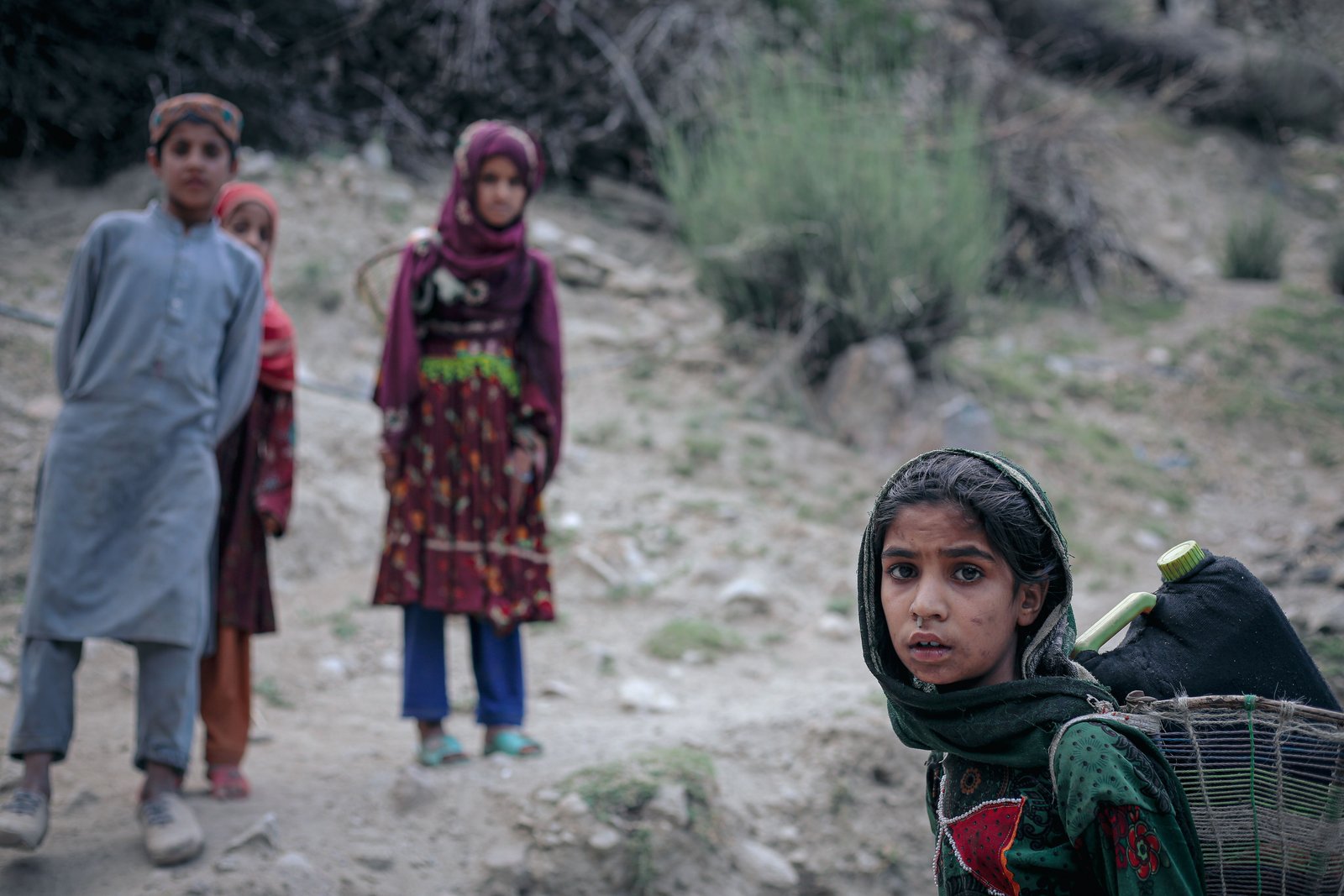
Kabul is currently experiencing one of the most serious water shortages in its recent history. According to UN reports, the city's groundwater resources will be completely depleted by 2030. Kabul isn't a small town or a village; it's a big city with a population close to six million. Yet, the possibility that these six million people might not have access to drinking water in the next four years hasn't yet become a major headline in the region.
Kabul's groundwater levels have fallen by approximately 30 meters over the past decade. More than half of the city's wells have either dried up or are operating at only 60 percent of their capacity. Approximately 44 million cubic meters of water are consumed in the city every year. At the national level, the proportion of Afghanistan affected by drought has increased from 34 percent to 64 percent.
These figures are truly alarming and evoke the image of a terrifying monster awakening for the people of Kabul. Another important factor that makes this crisis different is that the absence of water represents an irreversible point and a red line. Once that line is crossed, there may no longer be an opportunity to rebuild or return to normal. Food shortages can be addressed with a shipment of wheat. A destroyed building can be rebuilt. But no emergency assistance can replenish depleted groundwater reserves within a reasonable period of time.
The opportunity to prevent this disaster is becoming smaller every day, and the failure of Afghan authorities and the international community to pay serious attention to this issue would be a major failure toward the nearly six million people of this city.
This is happening at a time when international assistance to Afghanistan has reached its lowest level in twenty years. More than $3 billion in aid was expected to be spent on water and sanitation projects in Afghanistan, but funding has remained stalled since 2021, with no clear indication of what the future holds. The project to transfer water from the Panjshir River to Kabul, which could have helped secure the lives of nearly two million people and whose design was completed by the end of 2024, continues to gather dust on paper because no one has been willing to provide its funding. By early 2025, of the $264 million needed for the water and sanitation sector alone, less than $9 million had been secured.
The failure to fulfill international commitments regarding these challenges in Afghanistan can be attributed to, and justified by, the complexities and political priorities of other countries. But water has never been a political issue. It is a basic necessity of life, with serious consequences for Afghanistan and the region.
When a city of six million people no longer has water to drink, the result will be mass migration, the spread of disease, economic collapse, and a humanitarian crisis many times worse than the current situation. Preventing these consequences must be a priority for all stakeholders. In reality, preventing this problem is far better and far less costly than treating and resolving its consequences after they occur.
Afghanistan's climate challenges and water shortages are not solely the result of the international community's failure to fulfill its commitments. The absence of long-term infrastructure and planning in this area has also created serious problems. One example is the excessive use of groundwater by factories, industrial facilities, and greenhouses, which consume Kabul's underground water resources without adequate oversight or clearly defined limits.
The challenges of enforcing relevant laws, monitoring and assessing water consumption, and building strong infrastructure for water management in the country must be among the highest priorities of any authority governing Kabul and Afghanistan.
The international community usually begins paying serious attention to an issue only after the situation has gone beyond a critical point. But this is a matter of survival for more than six million people. If the red line is crossed, there may be no way back.
Right now is the best opportunity, and perhaps the last opportunity, to contain this monster.